Camera Lucida: Reflections on Photography is a book about photography. This book has nothing to do with the skills of photography, but it has something to do with our spiritual feelings and the vitality of photography.
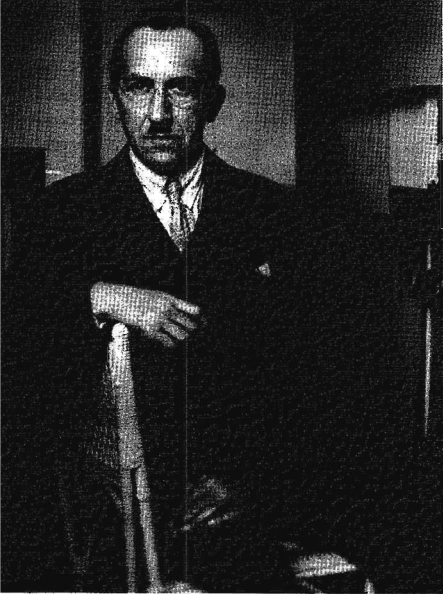
Barthes believes that in order to be a good photographer, they need to master two factors that can hit the audience’s “key”, which are STUDIUM and PUNCTUM. The STUDIUM of the photo is a serious man sitting in a chair but looking forward, meanwhile, the PUNCTUM is When I look at him in the photo, his look to the distance seems to be blocked by something. “How can one have an intelligent air without thinking of anything intelligent? ” is the question under this photo. The question may be relevant with PUNCTUM that always carries some hidden power, which involves what he said in the text. He believes that photography is cruel compared to film, because photography is still, and the stagnation of photography will make people stay in place. Or completely crash. If a person is admiring a work with a PUNCTUM point, when he cannot understand the stinging point of the work, he is painful, he stagnates; when he understands the meaning of the work, he is also painful. because photos cannot help him transfer and resolve emotions.
Returning to the nature of photography, he believes that the essence of photography is “existence”. Recording the essence of photography is the essence of photography. Photography is the first art form that can directly convey history and reality in history, and language cannot be compared with the image. Barthes, a realist, thinks that photography may lie about the meaning of things, but it will never lie about the existence of things. Photography is an expression of real objects in the past. It is not the right way to analyze problems to study whether photos are similar or have moral meanings. Instead, we should consider the proving power of a photo. It is not about the objects in the photo, but about time. Phenomenology says that the proving power of a photo is better than its expressive power. For example, he thinks that a picture is an extensive and convincing evidence as if it is not describing the image it represents but describing its existence. Although the phenomenological image is nihilistic, in the photos, what he proposed is not only the lack of objects but also the lack of objects. Again, with the same actions, the object can be proven to exist.
Photos are everywhere in our lives, but I think we should also know a little about photography. Thanks for this book.
References:
Barthes, R. (1993) Camera Lucida: Reflections on Photography. London: Vintage.
 Media & Cultural Studies blog